

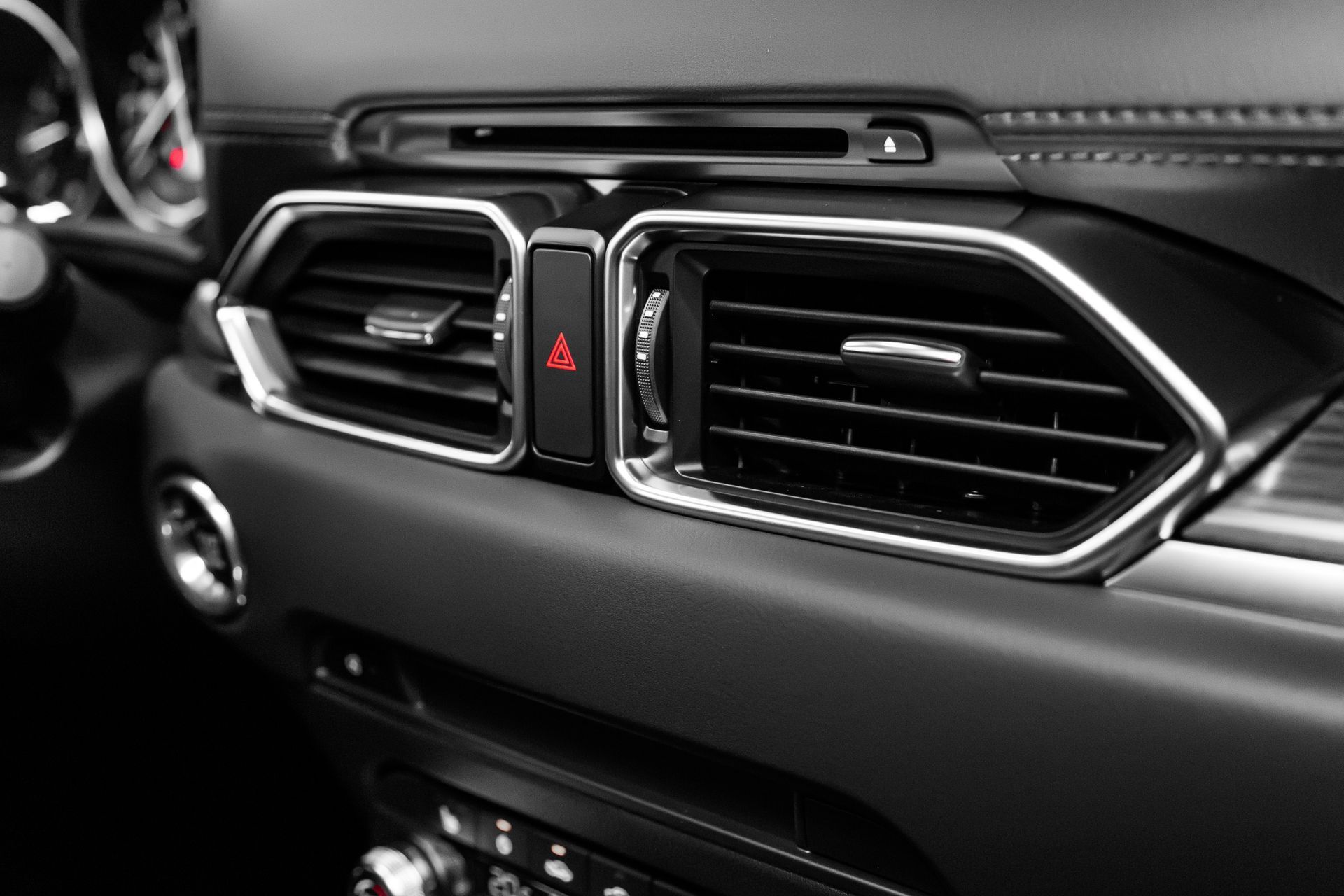
As the spring season unfolds and temperatures begin to rise, it’s easy to overlook your vehicle’s heating system. However, ensuring that your car heater is in optimal condition is crucial, even in May. At Elite Automotive and Tire, we believe in the importance of preventive maintenance to keep your vehicle running smoothly. So, do you really need your heater checked in May? Let’s delve into why this might be a good idea. The Role of Your Heater Beyond Winter You might associate your car’s heater with winter, but it plays a role beyond just keeping you warm. Your vehicle’s heating system is part of a larger network that includes the engine cooling system. Proper maintenance of this system can: Ensure your engine is running at the right temperature Prevent overheating during warmer months Improve overall vehicle performance By addressing heater issues in May, you can prevent potential problems that could affect your vehicle’s efficiency and reliability. Catch Small Issues Before They Become Big Problems Even if you’re not using your heater as frequently, it’s important to have it checked. Small issues can go unnoticed until they become major problems. Regular checks can help identify: Leaks or blockages in the heater core Malfunctioning thermostats Faulty blower motors By catching these issues early, you can avoid costly repairs down the road. At Elite Automotive and Tire, we encourage proactive care to ensure that your vehicle remains in top condition. Maintaining Comfort and Safety While May often brings pleasant temperatures, weather in can be unpredictable. A sudden cold snap or road trip to a cooler region can have you reaching for the heater. Ensuring your heater is in working order means you won’t be caught off guard, providing comfort and safety for you and your passengers. Depend On Elite Automotive and Tire As a trusted auto repair shop, Elite Automotive and Tire is dedicated to providing quality service for our local community. Our experienced team is well-versed in the intricacies of vehicle heating systems and is committed to keeping your vehicle in peak condition. We understand the unique needs of drivers in and are here to help with any auto repair needs. Final Thoughts In summary, having your vehicle’s heater checked in May is a wise decision. It not only ensures comfort but also contributes to the overall health of your vehicle. If you’re ready to take a proactive approach to vehicle maintenance, contact Elite Automotive and Tire today. Our team is ready to assist you with all your auto repair needs. Visit us for a comprehensive check-up and experience the peace of mind that comes with knowing your vehicle is in expert hands.
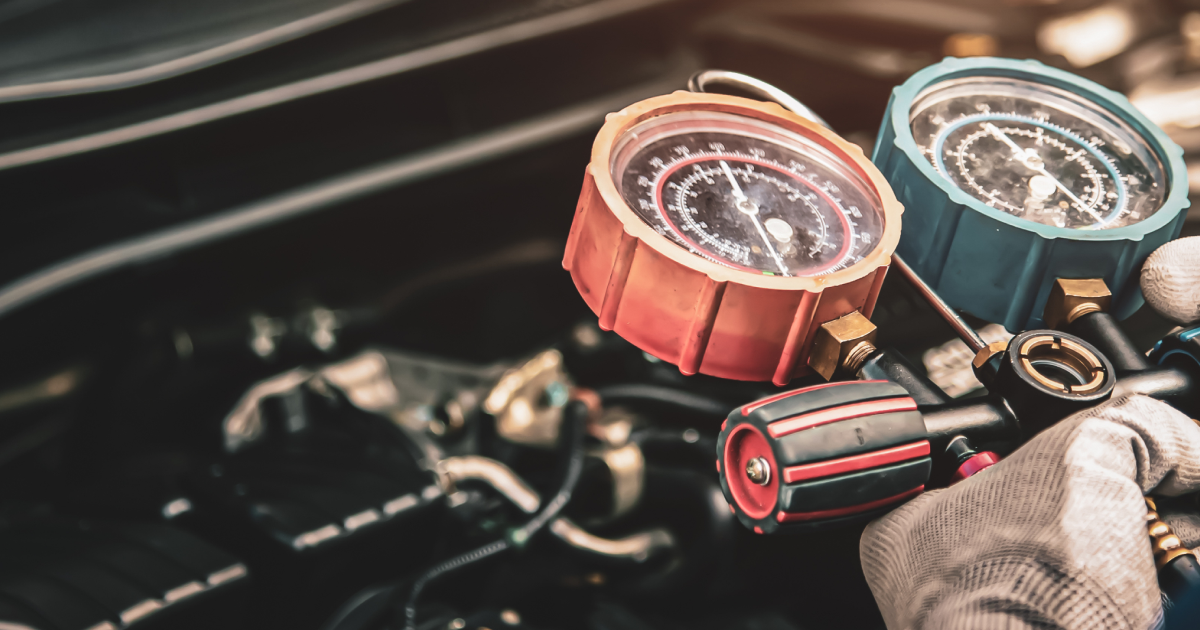
As the temperatures start to rise, ensuring your car’s air conditioning system is in top condition becomes crucial. A properly functioning AC system not only keeps you comfortable during your commute but also plays a significant role in maintaining good air quality inside your vehicle. One common issue many car owners face is knowing when their AC system needs a recharge. In this article, we will discuss the signs that indicate your AC system may need a recharge before the summer months hit. Weak Airflow One of the primary indicators that your AC system needs a recharge is weak airflow coming through the vents. If you notice that the airflow is weaker than usual, it could be a sign that the refrigerant level is low. A recharge can help restore the proper flow of cool air into your vehicle’s cabin. Warmer Than Usual Air If you are getting warmer air instead of cool air when you turn on the AC, it is a clear sign that something is amiss. This could be due to a low level of refrigerant in the system, which can make it difficult for the AC to produce cold air effectively. A recharge can help resolve this issue and restore the AC system’s cooling performance. Strange Smells Unpleasant odors coming from the AC vents can indicate a mold or mildew buildup in the system. However, it can also be a sign of a refrigerant leak. If you notice musty or chemical-like smells when the AC is running, it is essential to have your system checked by a professional. A recharge may be needed to address a potential refrigerant leak. Loud Noises Unusual noises such as hissing or bubbling sounds coming from the AC system can be a cause for concern. These noises can indicate a refrigerant leak, which not only affects the performance of your AC system but can also be harmful to the environment. If you hear such noises, it is advisable to have your AC system inspected promptly and recharge if necessary. Leaking Refrigerant Visible signs of refrigerant leakage, such as puddles of fluid underneath your parked car, should not be ignored. Refrigerant leaks not only impact the cooling capacity of your AC system but can also damage other components if left unchecked. Recharging the system and fixing the leak is vital to ensure the proper functioning of your AC system. Inefficient Cooling If you find that your AC system is taking longer than usual to cool down the interior of your car, it could be a sign that the refrigerant level is low. A recharge can help replenish the lost refrigerant and improve the cooling efficiency of your AC system. Increased Fuel Consumption A malfunctioning AC system can put extra strain on your vehicle’s engine, leading to increased fuel consumption. If you notice a sudden decrease in your vehicle’s fuel efficiency, it could be due to a struggling AC system. Recharging the AC system can help alleviate this issue and improve overall performance. DIY AC Recharge Kits While there are DIY AC recharge kits available in the market, it is essential to exercise caution when using them. These kits may provide a temporary solution to low refrigerant levels, but they do not address the underlying cause of the issue. For a long-term fix, it is recommended to have your AC system inspected by a professional mechanic. Consult a Professional If you observe any of the signs mentioned above or if your AC system is not performing optimally, it is best to consult a qualified auto technician. A professional mechanic can conduct a thorough inspection of your AC system, identify any underlying issues, and recommend the necessary repairs or recharge. Ensuring your AC system is in top condition before the summer months is essential for a comfortable driving experience. By being aware of the signs that indicate your AC system needs a recharge, you can address any issues promptly and enjoy cool air during your summer road trips. Final Thoughts Regular maintenance of your car’s AC system is key to ensuring its longevity and optimal performance. By paying attention to the signs that indicate a recharge is needed, you can avoid potential issues and stay comfortable behind the wheel, even on the hottest days. Remember, when in doubt, always seek the expertise of a professional auto technician to keep your AC system running smoothly.
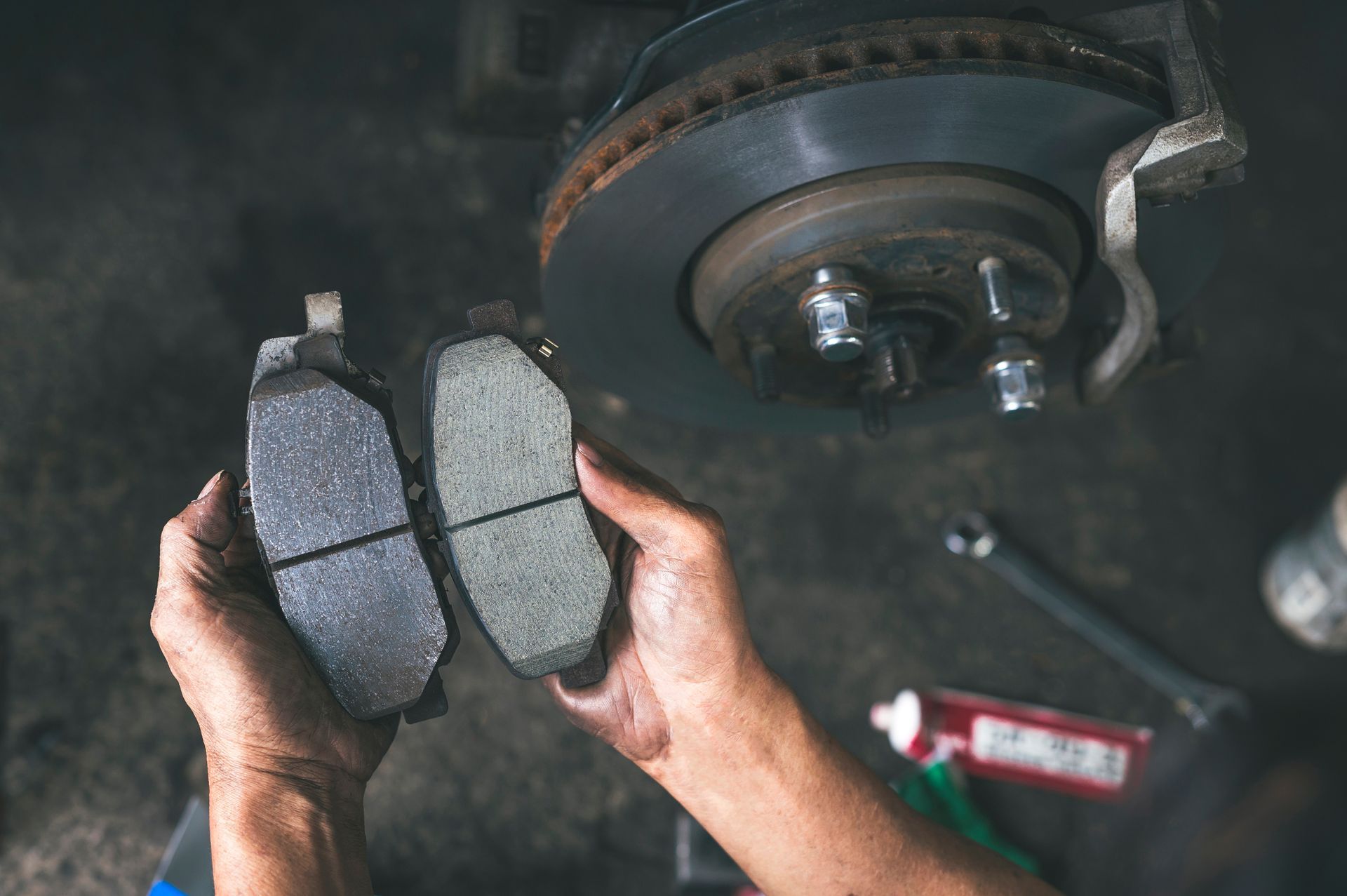
As the winter months come to an end, it’s essential to ensure that your vehicle is in optimal condition for the spring and summer ahead. One crucial aspect of your car’s maintenance that often gets overlooked is the brake system. Your brakes are a vital safety feature, and ensuring that they are working correctly is essential for your safety on the road. One important component of your brake system is the brake fluid. Over time, brake fluid can become contaminated or deteriorate, affecting the overall performance of your brakes. In this article, we will discuss the signs that indicate your brake fluid may need to be replaced after the winter season. 1. Decreased Brake Performance After a long winter of driving on snowy, icy, and often salty roads, your brake fluid may have absorbed water or become contaminated with debris. As a result, the performance of your brakes may be compromised. If you notice that your brakes feel spongy, require more pressure to engage, or are less responsive, it could be a sign that your brake fluid needs to be replaced. 2. Unusual Brake Pedal Behavior If you experience any unusual behavior with your brake pedal, such as sinking to the floor slowly when pressed or vibrating during braking, it could be an indication of air or moisture in the brake fluid. This can affect the efficiency of your braking system and compromise your safety on the road. 3. Discolored Brake Fluid Brake fluid is typically clear or slightly yellowish in color when new. However, over time, it can become darker due to contamination from moisture, dirt, or debris. If you check your brake fluid reservoir and notice that the fluid is dark brown or black, it is a clear sign that it needs to be replaced. 4. Burning Smell If you detect a burning smell coming from your wheels after driving, it could be a sign that your brake fluid is overheating. Overheated brake fluid can lead to brake fade, where the brakes lose their effectiveness due to excessive heat. This can be extremely dangerous, especially in emergency braking situations. 5. Dashboard Warning Light Many modern vehicles are equipped with a dashboard warning light that illuminates when there is an issue with the brake system. If you see the brake warning light come on, it is crucial to have your brake fluid and the entire braking system inspected by a professional mechanic. 6. Squishy Brake Pedal If you notice that your brake pedal feels soft or mushy when pressed, it could be a sign of air in the brake lines or a leak in the brake system. Air in the brake lines can cause a loss of hydraulic pressure, resulting in poor brake performance. Leaks in the brake system can also lead to a low brake fluid level, affecting the operation of your brakes. How Often Should Brake Fluid be Replaced? Brake fluid is a critical component of your vehicle’s braking system, and regular maintenance is essential to ensure its proper functioning. It is generally recommended to have your brake fluid inspected during your routine maintenance service and replaced every 2 years or as recommended by your vehicle manufacturer. However, if you notice any of the signs mentioned above, it is crucial to have your brake fluid replaced immediately to avoid any potential safety hazards on the road. Final Thoughts Your safety on the road is of utmost importance, and taking care of your vehicle’s braking system is a crucial aspect of vehicle maintenance. By recognizing the signs that indicate your brake fluid needs to be replaced after the winter season, you can ensure that your brakes are in optimal condition for the months ahead. If you notice any of the signs mentioned in this article, do not hesitate to contact your trusted auto repair shop to have your brake fluid inspected and replaced if necessary. Preventative maintenance is key to keeping your vehicle running smoothly and safely.
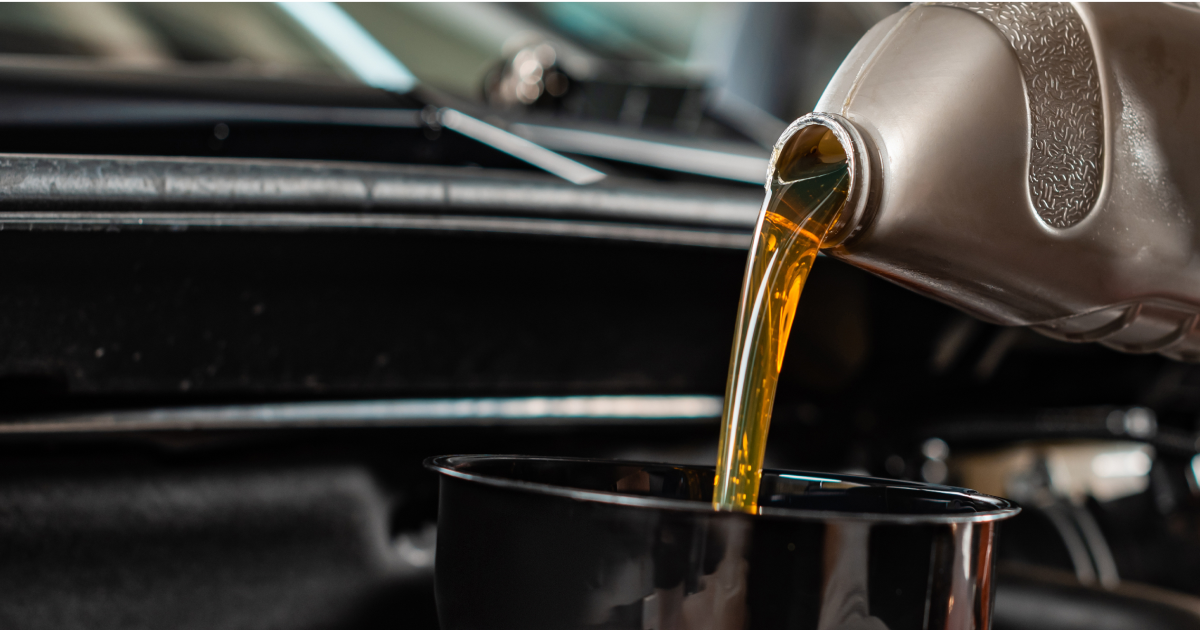
When it comes to caring for your vehicle in cold weather, choosing the right oil is crucial. The debate between synthetic oil and conventional oil has been ongoing, with each type having its own set of benefits and drawbacks. In this article, we will delve into whether synthetic oil is superior to conventional oil for cold weather driving. Synthetic Oil: The Superior Choice for Cold Weather Synthetic oil is engineered in a lab to have a uniform molecular structure, which allows it to flow more smoothly at low temperatures compared to conventional oil. Here are some reasons why synthetic oil is considered the better option for cold weather driving: Improved Cold-Weather Performance : Synthetic oil flows more easily at cold temperatures, ensuring faster engine startup and better overall lubrication during those chilly winter mornings. Better Engine Protection : The consistent molecular structure of synthetic oil provides enhanced protection against engine wear, even in extreme cold weather conditions where conventional oil may thicken and fail to provide sufficient lubrication. Extended Oil Change Intervals : Synthetic oil is more resistant to breaking down over time, allowing for longer intervals between oil changes. This can be especially beneficial in cold weather when frequent oil changes may not be convenient. Increased Fuel Efficiency : The superior flow properties of synthetic oil mean less energy is required to pump the oil throughout the engine, potentially leading to improved fuel efficiency during cold weather driving. Reduced Engine Deposits : Synthetic oil is less likely to form sludge and deposits in the engine compared to conventional oil, which helps maintain engine cleanliness and performance, especially in colder conditions. Conventional Oil: Still Viable for Cold Weather Driving While synthetic oil offers significant advantages for cold weather driving, conventional oil can still be a viable option for some drivers. Here are a few considerations when thinking about using conventional oil in cold weather: Lower Cost : Conventional oil is typically less expensive than synthetic oil, which can make it a more budget-friendly option for some drivers, especially if they are on a tight budget. Widespread Availability : Conventional oil is readily available at most auto parts stores and service stations, making it a convenient choice for those who prefer to do oil changes themselves or need a quick oil change during winter road trips. Acceptable Performance : For vehicles with low mileage or those that are not subjected to extreme driving conditions, conventional oil can still provide adequate protection for the engine, even in cold weather. Final Thoughts While both synthetic oil and conventional oil have their own merits, synthetic oil emerges as the superior choice for cold weather driving due to its superior cold-weather performance, engine protection, extended oil change intervals, increased fuel efficiency, and reduced engine deposits. However, for drivers on a tight budget or with vehicles that do not demand the performance benefits of synthetic oil, conventional oil remains a viable option for cold weather driving. Ultimately, the decision between synthetic and conventional oil should be based on your vehicle’s specific needs, driving habits, and budget considerations.

As the winter months approach, it’s essential to ensure that your vehicle is in optimal condition to endure the harsh weather conditions. Cold temperatures and icy roads can put a strain on your car, increasing the risk of a breakdown. One of the best ways to prevent a winter breakdown is by investing in auto diagnostics. Auto diagnostics can help identify potential issues with your vehicle before they escalate into major problems, saving you time, money, and the inconvenience of being stranded in the cold. In this article, we will explore how auto diagnostics can save you from a winter breakdown. What are Auto Diagnostics? Auto diagnostics involve using specialized tools and equipment to scan your vehicle’s onboard computer system for any error codes or abnormalities. These diagnostics can provide valuable information about the health and performance of your vehicle, highlighting any potential issues that may need attention. By analyzing the data provided by auto diagnostics, mechanics can pinpoint specific problems and make accurate repairs, ultimately leading to a safer and more reliable driving experience. Benefits of Auto Diagnostics in Winter Early Detection of Battery Issues During the winter months, your car’s battery is under increased stress due to the cold weather. Low temperatures can cause the battery to lose power, making it more difficult to start your vehicle. Auto diagnostics can detect issues with the battery, such as low voltage or a weak charge, allowing you to replace it before it fails completely. By addressing battery issues early, you can avoid the frustration of a stalled car on a freezing morning. Identifying Engine Problems Cold weather can exacerbate existing engine problems, such as issues with the ignition system, fuel injection, or spark plugs. Auto diagnostics can identify these issues before they lead to engine failure, saving you from a potentially costly repair. By addressing engine problems early, you can ensure that your vehicle runs smoothly throughout the winter months. Checking Tire Pressure Proper tire pressure is crucial for maintaining traction on icy roads. Auto diagnostics can monitor tire pressure levels and alert you to any discrepancies. Underinflated tires can reduce fuel efficiency, affect braking performance, and increase the risk of a blowout. By keeping your tires properly inflated, you can improve your car’s handling in winter conditions and reduce the likelihood of a breakdown. Monitoring Fluid Levels Auto diagnostics can also monitor the levels of essential fluids in your vehicle, such as oil, coolant, and brake fluid. Low fluid levels can lead to engine overheating, brake failure, or other mechanical issues. By regularly checking and topping up fluid levels, you can prevent major damage to your vehicle and ensure that it operates smoothly in cold weather. The Importance of Regular Auto Diagnostics Regular auto diagnostics are crucial for maintaining the health and performance of your vehicle, especially during the winter months. By scheduling routine diagnostic checks with a qualified mechanic, you can stay ahead of potential problems and address them before they become emergencies. Investing in auto diagnostics can save you time and money in the long run by avoiding costly repairs and unexpected breakdowns. Final Thoughts Auto diagnostics play a vital role in ensuring the safety and reliability of your vehicle, particularly in challenging winter conditions. By using advanced diagnostic tools to monitor your car’s systems, you can identify and address issues proactively, reducing the risk of a breakdown when you need your vehicle the most. Don’t wait until it’s too late – schedule a diagnostic check-up for your car today and enjoy a worry-free winter on the road.
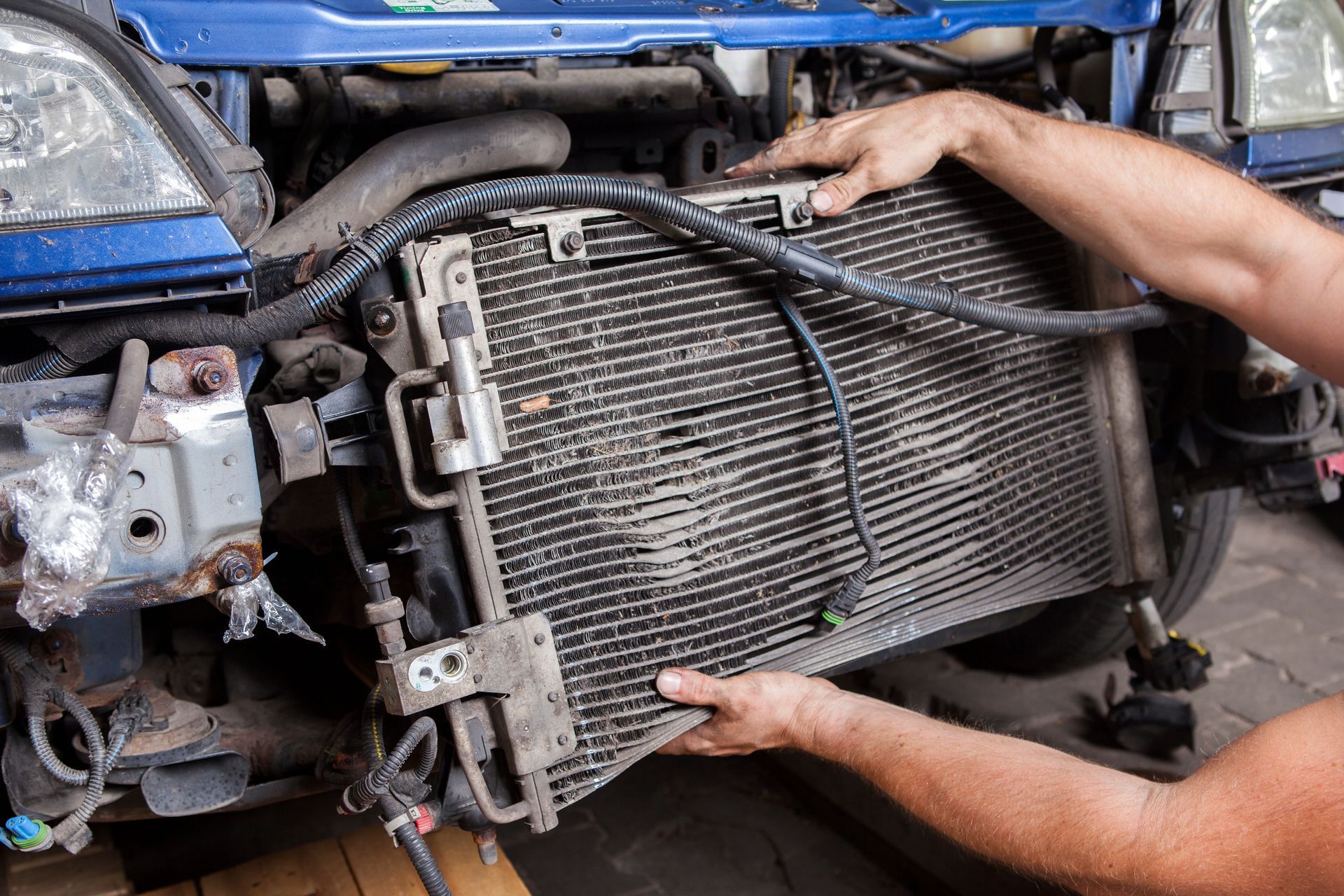
Winter is here, and it’s essential to make sure your car’s heating system is in top shape to keep you warm and safe on the roads. The heating system in your vehicle plays a crucial role in providing you with comfort during the cold winter months. To ensure your heating system works efficiently throughout the season, follow these essential tips: Regular Maintenance Regular maintenance is key to keeping your car’s heating system working correctly. Make sure to schedule routine inspections with your local auto repair shop to check for any issues with the heating system. A professional mechanic can identify any potential problems and address them before they escalate into more significant issues. Check the Coolant Level The coolant in your vehicle is responsible for regulating the temperature of the engine and the heating system. It’s crucial to check the coolant level regularly and top it up if necessary. Low coolant levels can lead to insufficient heat production in the cabin. Additionally, consider flushing the cooling system as recommended by your vehicle’s manufacturer to ensure optimal performance. Inspect the Thermostat The thermostat regulates the flow of coolant through the engine and the heating system. If the thermostat is faulty, it can cause the heating system to malfunction. Have your mechanic inspect the thermostat during routine maintenance checks to ensure it is working correctly. If any issues are detected, have the thermostat replaced promptly. Check the Heater Core The heater core is responsible for producing heat in the heating system by transferring hot coolant from the engine. Over time, the heater core can become clogged or develop leaks, leading to reduced heat output. Have your mechanic inspect the heater core for any issues and address them immediately to prevent further damage. Inspect the Blower Motor The blower motor is responsible for circulating hot air from the heater core into the cabin of your vehicle. If the blower motor is malfunctioning, you may experience reduced airflow or no heat at all. Have your mechanic inspect the blower motor during routine maintenance checks and replace it if necessary to ensure proper heating system functionality. Check for Leaks Leaks in the cooling system can lead to a loss of coolant, which can impact the performance of the heating system. Inspect your vehicle regularly for any signs of leaks, such as puddles of coolant under the car or a sweet smell inside the cabin. If you notice any leaks, have them repaired promptly to prevent further damage to the heating system. Use the Recirculation Mode During the winter months, using the recirculation mode on your HVAC system can help maintain a comfortable temperature inside the cabin. Recirculating the warm air already present in the car can reduce the strain on the heating system and improve fuel efficiency. Replace the Cabin Air Filter The cabin air filter helps maintain clean air circulation inside the car and prevents dust and debris from entering the heating system. A clogged cabin air filter can restrict airflow and reduce the efficiency of the heating system. Make sure to replace the cabin air filter as recommended by your vehicle’s manufacturer to ensure optimal performance. Park Indoors When Possible Parking your car indoors can help protect the heating system from extreme cold temperatures, reducing the strain on the system when you start the vehicle. If indoor parking is not an option, consider using a car cover to provide some protection from the elements. Final Thoughts Maintaining your car’s heating system is essential for staying comfortable during the winter months. By following these tips and scheduling regular maintenance with your auto repair shop, you can ensure that your heating system works efficiently all winter long. Stay warm and safe on the roads by taking care of your vehicle’s heating system.
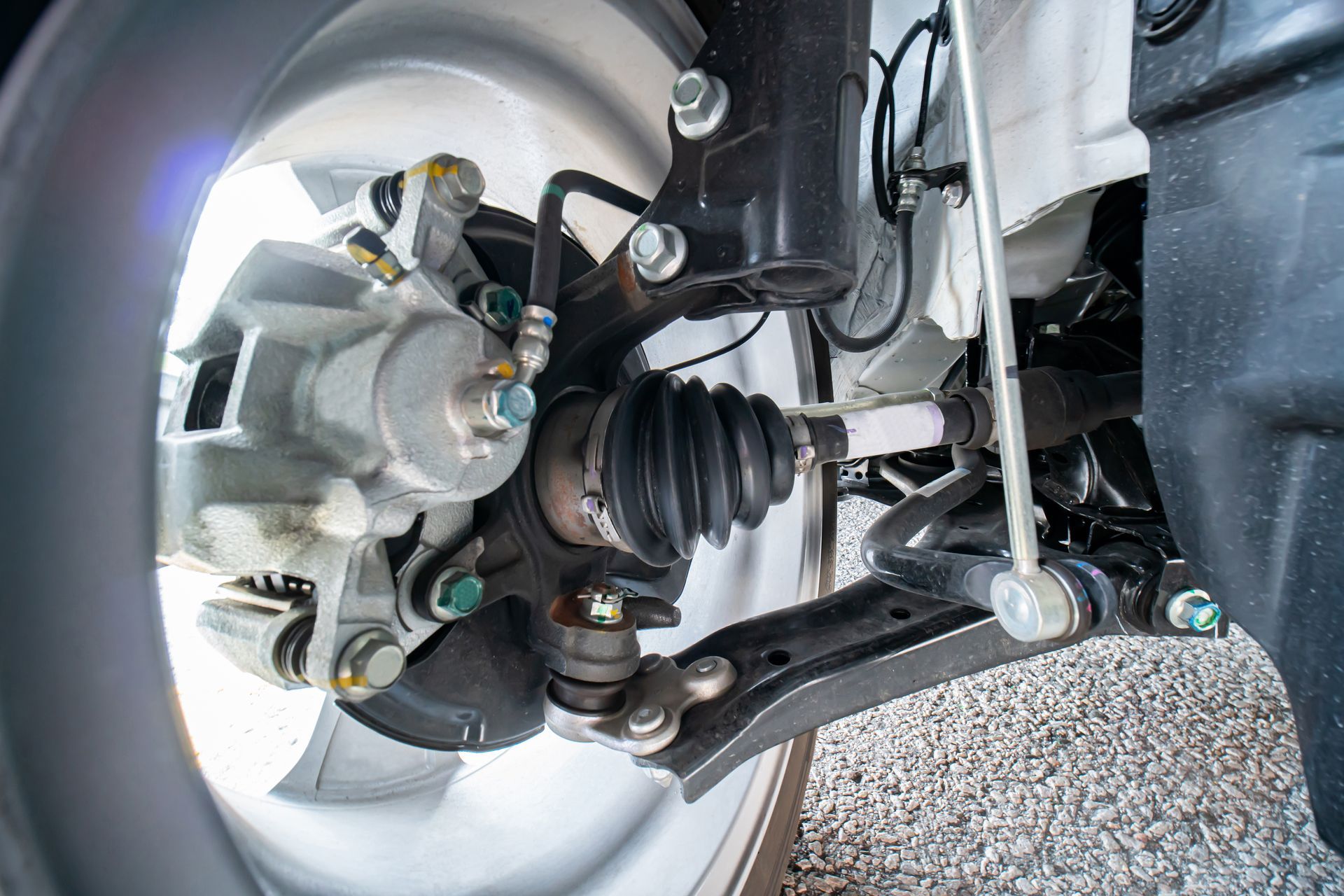
As the seasons change and colder weather approaches, it’s essential to ensure your vehicle is prepared to handle the challenges that come with winter driving. One critical aspect to consider is the condition of your car’s suspension system. The suspension plays a vital role in providing a smooth and stable ride, especially on icy or snow-covered roads. Here are some tips on how to handle suspension issues before the cold weather hits: 1. Inspect Your Suspension System Before winter arrives, take the time to inspect your vehicle’s suspension system for any signs of wear or damage. Look for leaking shocks or struts, worn-out bushings, or loose suspension components. If you notice any issues, it’s essential to address them promptly to ensure your safety on the road. 2. Check Your Tires Proper tire maintenance is crucial for the performance of your suspension system. Make sure your tires are properly inflated, balanced, and have adequate tread depth. Worn-out or unevenly worn tires can put additional strain on your suspension components, leading to premature wear and potential safety hazards. 3. Address Any Unusual Noises or Vibrations If you notice any unusual noises, vibrations, or handling issues while driving, it could be a sign of suspension problems. Pay attention to how your vehicle handles bumps, turns, and stops. Any changes in performance should be evaluated by a professional mechanic to determine the underlying cause. 4. Get a Professional Inspection If you’re unsure about the condition of your suspension system or if you’ve been experiencing issues while driving, it’s best to schedule a professional inspection. A certified mechanic can perform a thorough evaluation of your suspension components and recommend any necessary repairs or replacements. 5. Replace Worn-Out Components If your inspection reveals worn-out or damaged suspension components, don’t delay in getting them replaced. Driving with faulty suspension parts not only compromises your safety but can also lead to more extensive and costly repairs down the road. Investing in quality replacement parts will ensure your vehicle performs optimally in winter conditions. 6. Consider Upgrading Your Suspension If you frequently drive in harsh winter conditions or carry heavy loads, you may want to consider upgrading your suspension system. Upgraded shocks, struts, or springs can provide better handling, stability, and comfort, especially in challenging driving conditions. Consult with a professional mechanic to find the best suspension upgrades for your vehicle. 7. Stay Ahead of Maintenance Regular maintenance is key to preserving the performance and longevity of your suspension system. Make sure to follow the manufacturer’s recommended maintenance schedule for your vehicle and address any issues promptly. By staying ahead of maintenance tasks, you can prevent suspension problems before they escalate. By following these tips and staying proactive about suspension maintenance, you can ensure your vehicle is ready to tackle the challenges of winter driving. Don’t wait until the cold weather hits to address suspension issues – take action now to stay safe on the road. Final Thoughts Preparing your vehicle for winter goes beyond just checking your tires and fluids. Your suspension system plays a critical role in ensuring a safe and comfortable driving experience, especially in cold and icy conditions. By inspecting, maintaining, and addressing any suspension issues before winter arrives, you can instill confidence in your vehicle’s performance and safety throughout the season. Stay on top of maintenance tasks, be vigilant for any signs of trouble, and don’t hesitate to seek professional help when needed. Safe travels!

As the leaves start to change and the air becomes crisp, it’s the perfect time to start planning your fall road trips. Before hitting the road, it’s crucial to ensure your vehicle is in top condition to avoid any breakdowns or issues along the way. One of the best ways to prepare your car for fall travel is by getting a pre-trip inspection. Here are some tips on how to get your pre-trip inspection done for fall travel: Find a reputable auto repair shop The first step in getting your pre-trip inspection done is to find a reputable auto repair shop in your area. Look for a shop that has experience working on your make and model of vehicle and has good reviews from previous customers. You can ask for recommendations from friends and family or check online review sites for feedback on local auto repair shops. Schedule an appointment Once you’ve found a reputable auto repair shop, schedule an appointment for your pre-trip inspection. It’s a good idea to schedule the inspection at least a week before your planned travel date to give the technicians enough time to thoroughly check your vehicle and make any necessary repairs. Communicate your travel plans When you bring your car in for the pre-trip inspection, be sure to communicate your travel plans to the technicians. Let them know how far you’ll be driving, the type of terrain you’ll be covering, and any specific concerns you have about your vehicle. This information will help the technicians tailor the inspection to address your specific needs. What to expect during the inspection During the pre-trip inspection, the technicians will perform a thorough check of your vehicle to ensure it’s safe and reliable for travel. Some key areas they will typically inspect include: Tires: checking tire tread depth, inflation, and overall condition Brakes: inspecting brake pads, rotors, and brake fluid levels Fluids: checking and topping up all essential fluids, such as oil, coolant, and transmission fluid Battery: testing the battery to ensure it’s holding a charge Lights: checking all exterior lights to ensure they are working properly Belts and hoses: inspecting belts and hoses for wear and tear Suspension: checking the suspension components for signs of damage or wear Follow-up on recommendations After the pre-trip inspection is complete, the technicians will provide you with a report detailing their findings. If any issues were identified during the inspection, they will recommend repairs or maintenance services to address them. It’s important to follow up on these recommendations to ensure your vehicle is in top condition for your fall travels. Final Thoughts Getting a pre-trip inspection done for your fall travel is a smart way to ensure your vehicle is safe and reliable on the road. By following the tips outlined in this article, you can prepare your car for your upcoming road trips with confidence. Remember, a little maintenance now can save you from costly repairs down the road. Safe travels!
In the scorching heat of summer, our vehicles are more prone to overheating, which can lead to costly repairs and inconveniences. One of the most effective ways to prevent engine overheating during the summer months is by ensuring regular oil changes. Proper and timely oil changes not only extend the life of your engine but also play a crucial role in maintaining its optimal performance, especially when temperatures soar. In this article, we will delve into the importance of regular oil changes in preventing engine overheating in summer. 1. Lubrication Proper Lubrication: Engine oil plays a vital role in lubricating the moving parts of the engine. During the hot summer months, the heat can cause parts to expand and move faster, increasing friction and heat generation. Fresh oil ensures that all components are adequately lubricated, reducing friction and heat buildup. Viscosity: Over time, engine oil breaks down and becomes less effective in lubricating the engine parts. Regular oil changes help maintain the proper viscosity of the oil, ensuring that it can effectively coat and protect the engine components, even in high-temperature conditions. 2. Cooling Heat Dissipation: Engine oil not only lubricates the moving parts but also helps in dissipating heat from the engine. As the oil circulates through the engine, it absorbs heat and carries it away from critical components. Clean and fresh oil can efficiently carry heat away, preventing overheating issues. Clean Engine: Over time, old oil can accumulate dirt, debris, and sludge, reducing its ability to absorb heat effectively. Regular oil changes help keep the engine clean and free from these contaminants, allowing the oil to perform its cooling function efficiently. 3. Protection Engine Wear: Inadequate lubrication and excess heat can accelerate engine wear and lead to premature breakdowns. By sticking to a regular oil change schedule, you protect your engine from unnecessary wear and tear, ensuring its longevity and performance, especially during the summer months. Preventing Engine Damage: A well-lubricated engine is less likely to experience issues such as overheating, which can cause significant damage and require costly repairs. Investing in regular oil changes is a small price to pay compared to the potential expenses of fixing an overheated engine. 4. Efficiency Improved Performance: A properly maintained engine runs more efficiently and delivers better performance. Fresh oil reduces friction, allowing the engine to operate smoothly and with less strain, which is crucial during the hot summer days when engines are more prone to overheating. Fuel Efficiency: A well-maintained engine consumes fuel more efficiently. By ensuring regular oil changes, you not only prevent engine overheating but also promote better fuel economy, saving you money in the long run. Final Thoughts Regular oil changes are a simple yet crucial aspect of summer car maintenance. By ensuring that your engine is properly lubricated, cooled, and protected, you can prevent overheating issues and keep your vehicle running smoothly during the hottest months of the year. Don’t overlook the importance of regular oil changes – it’s a small investment that can save you from significant headaches down the road. Schedule your next oil change today and enjoy a worry-free drive this summer.
As the cold winter months come to an end, it’s a good time to give your vehicle some much-needed attention, particularly when it comes to your radiator. Your radiator plays a crucial role in keeping your engine cool and running smoothly, and after enduring the harsh winter weather, it’s essential to ensure it is in optimal condition. In this article, we will discuss why your radiator needs extra care after winter and provide some essential tips for maintaining it. Why Radiator Care is Important After Winter Winter Wear and Tear: During the winter, your radiator works hard to keep your engine at the right operating temperature, especially in freezing conditions. The cold weather can put a strain on the radiator, leading to potential issues such as freezing coolant or leaks. Salt and Debris: Winter roads are often covered in salt and debris to improve traction. These substances can find their way into your radiator and cause corrosion and other damage if not properly flushed out. Coolant Dilution: In colder temperatures, there is a risk of coolant dilution due to condensation forming in the cooling system. This can reduce the effectiveness of the coolant and lead to overheating issues if not addressed. Preventing Overheating: As the weather starts to warm up, your engine is more susceptible to overheating if the radiator is not functioning correctly. Proper radiator maintenance can help prevent this common issue. Tips for Radiator Maintenance After Winter Inspect for Leaks: Check for any visible signs of leaks, such as puddles of coolant under your vehicle or low coolant levels. Addressing leaks promptly can prevent more significant issues down the line. Flush the Cooling System: Flushing the cooling system helps remove any buildup of dirt, debris, or contaminated coolant. It is recommended to flush the radiator at least once a year to keep it clean and efficient. Check Coolant Levels and Condition: Make sure your coolant levels are topped up to the manufacturer’s specifications and that the coolant is clean and free of debris. If the coolant appears dirty or old, it may be time for a coolant flush and refill. Inspect Hoses and Belts: Check the radiator hoses and belts for any signs of wear or damage. Cracks, bulges, or soft spots indicate that they need to be replaced to prevent potential leaks or malfunctions. Test the Thermostat: A malfunctioning thermostat can cause the engine to overheat or not reach the optimal operating temperature. Ensure the thermostat is functioning correctly to avoid any cooling system issues. Professional Inspection: Consider taking your vehicle to a professional auto mechanic for a thorough inspection of the radiator and cooling system. They can identify any potential issues and provide the necessary repairs or maintenance. Final Thoughts Giving your radiator some extra care and attention after winter can help prolong its lifespan and ensure your engine continues to run smoothly. By following the tips outlined in this article, you can maintain a properly functioning radiator and prevent costly repairs in the long run. Remember, regular maintenance is key to keeping your vehicle in top condition year- round.